Call us now :08045801229
 Send Inquiry
 Send Inquiry
Control Valves
Price 150.00 USD ($)/ Piece
MOQ : 1 Piece
Control Valves Specification
- Features
- Leak Proof, Corrosion Resistant, Quick Response, Low Maintenance
- Technology
- Hydraulic/Pneumatic/Manual
- Control System
- Analog/Digital/Electro-Pneumatic
- Accuracy
- High
- Power Source
- Electric, Pneumatic, Hydraulic
- Operating Pressure
- Up to 40 Bar
- Surface Treatment
- Polished/Coated
- Machine Type
- Industrial Valves, Actuated Valves
- Accessories Type
- Positioners, Actuators, Solenoid, Limit Switches
- Automation Grade
- Automatic/Semi-Automatic/Manual
- Type
- Globe, Gate, Ball, Butterfly, Pressure Reducing, Flow Control
- Material
- Stainless Steel, Cast Iron, Brass, Alloy Steel
- Function
- Flow Regulation, Pressure Control, Shut-off
- Application
- Water, Steam, Gas, Oil, HVAC, Process Industries
- Voltage
- 24V/110V/220V/415V (Depending on Actuator Type)
- Packing Type
- Graphite/PTFE
- End Connection
- Flanged, Screwed, Socket Weld
- Seat Type
- Metal Seated/Soft Seated
- Port Size
- 15mm to 300mm
- Media Temperature Range
- -10C to 220C
- Manufacturing Standard
- ANSI, DIN, BS, IS
- Stem Material
- Stainless Steel/Chrome Plated Steel
- Flow Characteristic
- Linear, Equal Percentage
Control Valves Trade Information
- Minimum Order Quantity
- 1 Piece
- Payment Terms
- Letter of Credit at Sight (Sight L/C), Cash in Advance (CID), Cash Advance (CA)
- Supply Ability
- 200 Pieces Per Week
- Delivery Time
- 2-12 Week
- Sample Policy
- Contact us for information regarding our sample policy
- Packaging Details
- Export Seaworthy
- Main Export Market(s)
- Middle East, Asia, Africa
- Certifications
- Yes
About Control Valves
We are a well known manufacturer of Control Valves in the market. These are used for controlling fluid flow by varying the size of the flow passage as directed by a signal from a controller. Control Valves enable the direct control of flow rate and the consequential control of process quantities such as temperature, pressure, and liquid level.
Product Specification
|
Media |
Water |
|
Material |
Cast iron |
|
Pressure |
Low Pressure |
Advanced Engineering for Diverse Applications
Our control valves meet the needs of various industries, from process plants to HVAC and oil & gas. They are engineered with high-quality materials, multiple flow characteristics (linear and equal percentage), and can be tailored for specific process requirements. Whether you require analog, digital, or electro-pneumatic control, our valves ensure precise flow regulation and pressure management, adapting seamlessly to your system infrastructure.
Reliable Operation with Enhanced Durability
Designed with robust packing materials such as graphite and PTFE, our valves withstand harsh operating conditions. The surface treatments, polishing, and coating ensure increased resistance to corrosion and wear. High-performance actuators, positioners, and solenoid accessories guarantee quick response and minimal maintenance, supporting continuous and reliable operation over their lifecycle.
FAQs of Control Valves:
Q: How do I select the appropriate control valve for my application?
A: Selection depends on your process requirements, including media type (water, steam, gas, oil), pressure, temperature range (-10C to 220C), port size, flow characteristics (linear or equal percentage), and automation grade. Our team can assist in choosing the ideal valve type and material to match your specifications.Q: What are the benefits of using metal seated or soft seated valves?
A: Metal seated valves offer durability and are suitable for high-temperature or abrasive media. Soft seated variants are preferred for tight shut-off and compatibility with less aggressive fluids, enhancing leak resistance for specific applications.Q: Where are these control valves commonly used?
A: Our valves are utilized across process industries, HVAC systems, water treatment plants, oil & gas sectors, and steam or gas regulation systems, providing reliable flow regulation and pressure control for industrial and commercial machinery.Q: What is the typical process for installing and commissioning these valves?
A: Installation involves mounting the valve to the pipeline or equipment using flanged, screwed, or socket weld connections, followed by actuator and accessory setup. Post-installation, calibration and testing ensure optimal operational accuracy and leak-proof performance.Q: How does automation enhance the valves accuracy and performance?
A: Automated control valves (automatic/semi-automatic) integrate with analog, digital, or electro-pneumatic systems, utilizing actuators and positioners for fast response, precise regulation, and high accuracy, which improves system efficiency and stability.Q: What maintenance practices ensure longevity and leak-proof operation?
A: Routine inspection of stem, seat, packing, and actuators is recommended. Using corrosion-resistant materials and proper surface treatments reduces wear. Scheduled maintenance keeps valves operating efficiently and ensures leak-proof performance over time.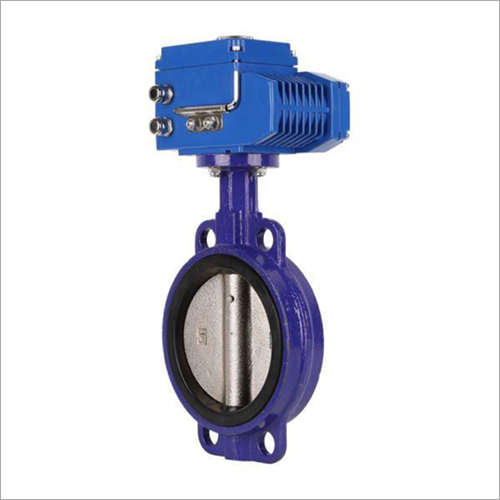
Tell us about your requirement

Price:
Quantity
Select Unit
- 50
- 100
- 200
- 250
- 500
- 1000+
Additional detail
Mobile number
Email

More Products in General Engineering Equipment Category

Pressure & Temperature Sensor
Price 4000 INR / Piece
Minimum Order Quantity : 1 , , Unit
Type : Digital Sensor
Material : Stainless Steel and Polycarbonate
Operating Pressure : 0 to 10 bar
Machine Type : Universal compatible with multiple machine types
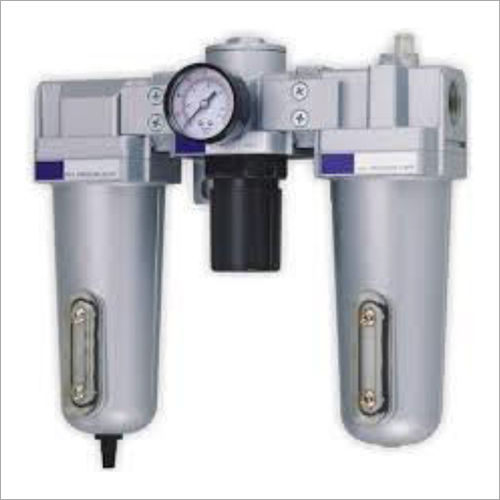
Oil Filter Regulator Lubricator
Price 100 INR / Piece
Minimum Order Quantity : 1 Unit
Type : Oil Filter Regulator Lubricator Unit
Material : Aluminum and Polycarbonate
Operating Pressure : 0.5 8 bar (7116 psi)
Machine Type : Pneumatic Control Equipment
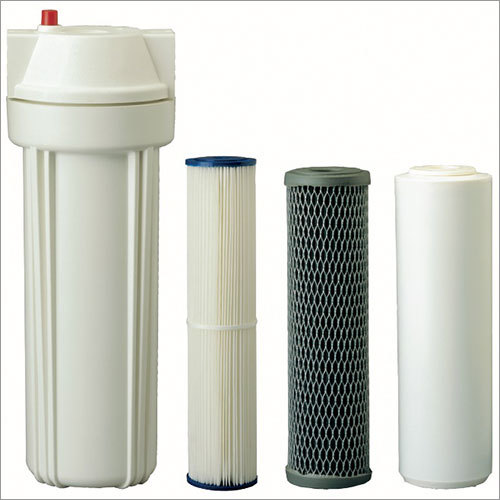
Process Filter
Price 100 INR / Piece
Minimum Order Quantity : 1 Unit
Type : Process Filter
Material : Stainless Steel
Operating Pressure : Up to 16 Bar
Machine Type : Inline Filtration Unit

Heat Exchanger
Price 2000 INR / Unit
Minimum Order Quantity : 1 Unit
Type : Heat Exchanger
Material : Stainless Steel
Operating Pressure : Up to 16 Bar
Machine Type : Industrial Heat Exchanger

Our Main Market Area is Bangladesh, Indonesia, Thailand and Middle East Countries.

 Send Inquiry


Our Products


Office No. 25, 10th Floor, Urbtech NPX Tower, Sector - 153, Noida - 201301, Uttar Pradesh, India

Mr Anurag Srivastava
(Director)
Mobile :08045801229
 Send Inquiry
 Send SMS
Developed and Managed by Infocom Network Private Limited.
