
Call us now :08045801229
 Send Inquiry
 Send Inquiry
Heat Exchanger
Price 2000 INR/ Unit
MOQ : 1 Unit
Heat Exchanger Specification
- Features
- Corrosion Resistant, High Thermal Conductivity, Space Saving Design, Easy Maintenance
- Power Source
- Electric
- Automation Grade
- Automatic
- Control System
- Digital/Automatic Control Panel
- Accessories Type
- Connection Flanges, Gaskets, Mounting Brackets
- Technology
- Plate Type Heat Exchange Technology
- Accuracy
- High Precision
- Machine Type
- Industrial Heat Exchanger
- Operating Pressure
- Up to 16 Bar
- Surface Treatment
- Polished
- Type
- Heat Exchanger
- Material
- Stainless Steel
- Function
- Efficient Heat Transfer/Exchange
- Application
- HVAC Systems, Chemical Processing, Power Plants, Food & Beverage, Pharmaceuticals
- Voltage
- 220-415V
- Working Temperature
- -10C to 150C
- Flow Rate
- up to 200 m/h
- Weight
- Variable (As per Design)
- Port Size
- 2 to 10 inch
- Gasket Material
- Nitrile/EPDM/FKM
- Heat Transfer Area
- 10-500 m (Depending on Model)
- Service Life
- Long Service Life
Heat Exchanger Trade Information
- Minimum Order Quantity
- 1 Unit
- FOB Port
- 100% CONFIRMED LC BY INTERNATIONAL BANK
- Supply Ability
- 20 Units Per Month
- Delivery Time
- 2-3 Months
- Main Export Market(s)
- Asia, Australia, Central America, South America, Western Europe, Middle East, Eastern Europe, North America, Africa
About Heat Exchanger
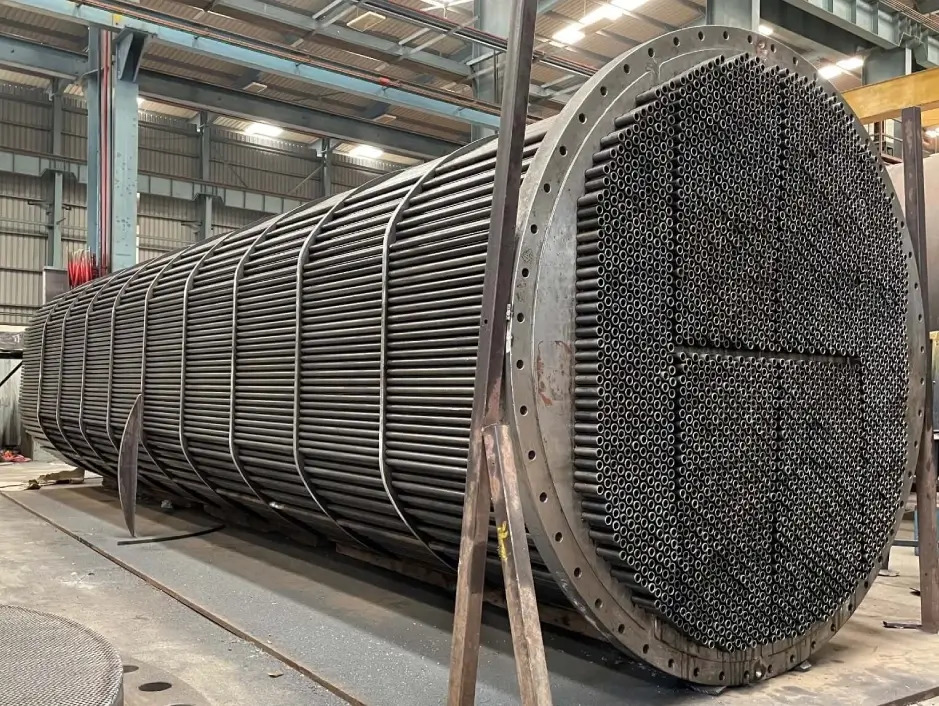
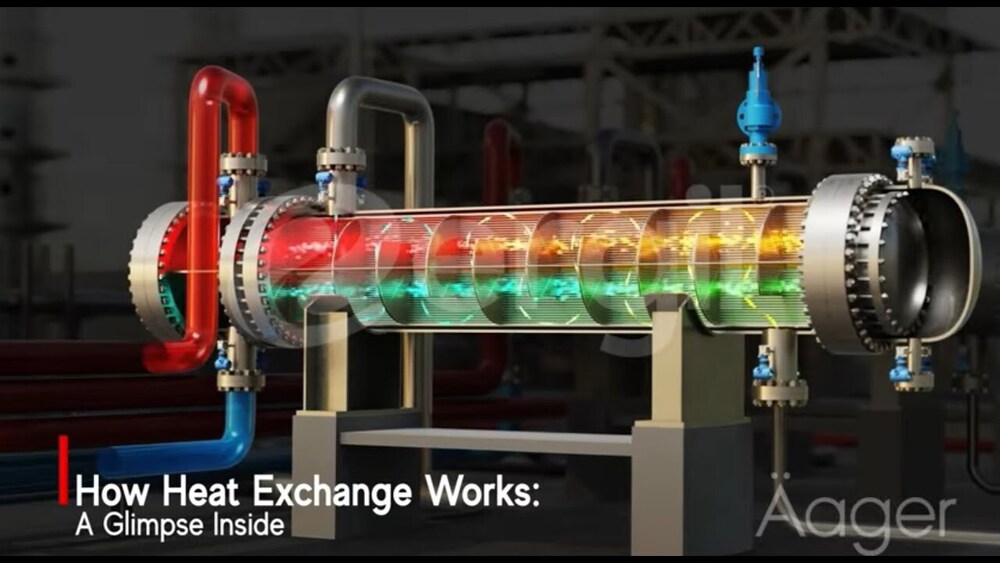
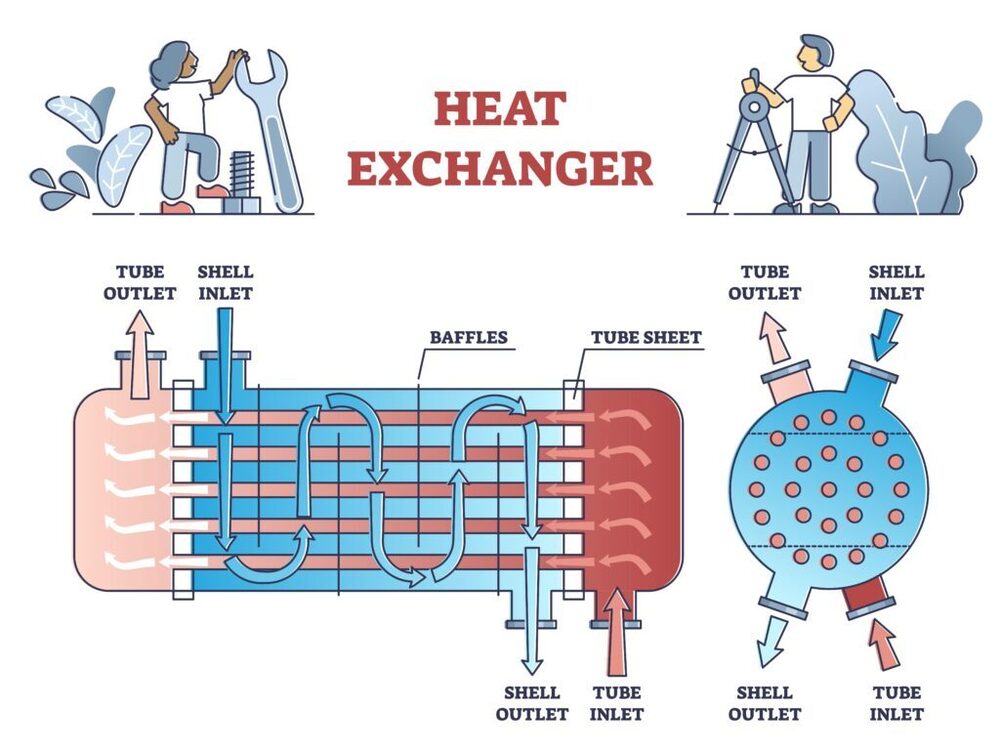
Over the years of dedication, we have been a reputed manufacturer of Heat Exchanger in the market. This helps in efficiently transferring or exchanging heat from one matter to another. When a fluid is used for transferring heat, the fluid could be a liquid, such as oil or water, or could be moving air. Car radiator is an example of Heat Exchanger.
Product Specification
|
Application |
Food Process Industry, Mining & Construction Industry, Oil and Gas Industry |
|
Material |
SS |
|
Voltage |
220 V/50 Hz |
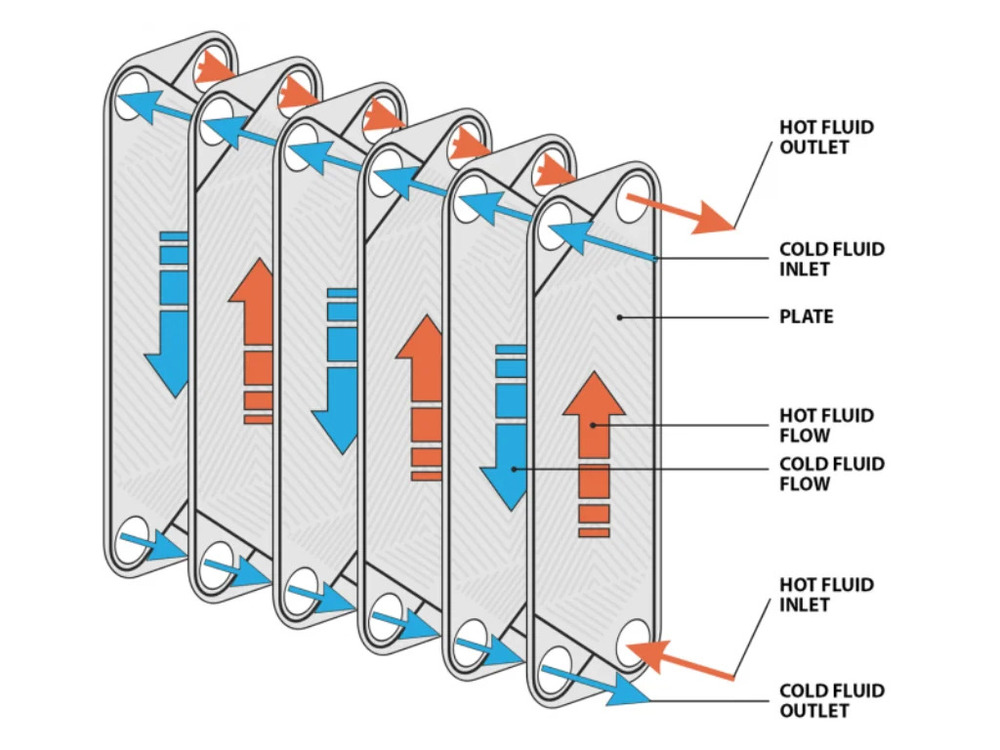
Advanced Plate Type Heat Exchange Technology
Leveraging high-precision design and polished stainless steel construction, our heat exchangers deliver reliable, efficient heat transfer suitable for demanding industrial environments. The plate technology maximizes thermal surface area while minimizing space requirements and maintenance needs, making it an ideal solution for both new installations and retrofits.
Versatile Applications and Customization
Specifically designed for broad-sector use, including HVAC systems, chemical processing, power generation, food & beverage, and pharmaceuticals, our heat exchangers offer configurable port sizes and heat transfer areas to suit varying process flows and installation constraints. With advanced control systems, they ensure optimal operation and energy savings.
FAQs of Heat Exchanger:
Q: How does this plate type heat exchanger enhance heat transfer efficiency?
A: The plate type design maximizes the contact surface between fluids, allowing for rapid and uniform heat transfer. Its highly polished stainless steel plates improve thermal conductivity, reduce fouling, and maintain system efficiency even under high operating pressures and temperatures.Q: What applications are these heat exchangers suitable for?
A: These heat exchangers are ideal for industrial sectors such as HVAC systems, chemical processing, power plants, food & beverage production, and pharmaceuticals, thanks to their flexible configuration options and robust design standards (ASME/EN).Q: When should the gasket material be selected or replaced?
A: Gasket material selection depends on fluid type and operating temperature. Replace gaskets if leaks, degradation, or incompatible chemical reactions are detected, using Nitrile, EPDM, or FKM as specified for the process. Regular inspection preserves service life and system reliability.Q: Where is installation of this heat exchanger recommended?
A: Installation is recommended at points in the process where heat transfer or exchange is required, such as between heating, cooling, or energy recovery systems. It can be mounted using dedicated brackets and integrated with digital controls for automation and monitoring.Q: What is the process for routine maintenance on these heat exchangers?
A: Routine maintenance involves checking for leaks, inspecting gasket integrity, cleaning the polished plates to prevent buildup, and ensuring all automatic control functions operate properly. The design enables straightforward access for cleaning, replacement, and inspection.Q: How does the automatic control panel benefit system operation?
A: The digital automatic control panel provides real-time monitoring and adjustment, improving operational accuracy, energy efficiency, and safety. It simplifies operation and minimizes human error, making it suitable for automated and complex industrial environments.
Tell us about your requirement

Price:
Quantity
Select Unit
- 50
- 100
- 200
- 250
- 500
- 1000+
Additional detail
Mobile number
Email

More Products in General Engineering Equipment Category
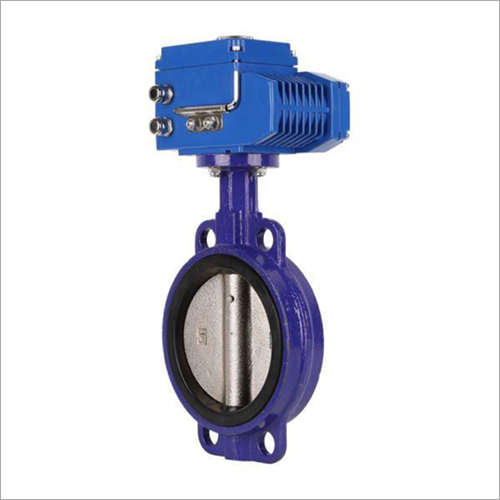
Control Valves
Price 150.00 USD ($) / Piece
Minimum Order Quantity : 1 Piece
Material : Stainless Steel, Cast Iron, Brass, Alloy Steel
Type : Globe, Gate, Ball, Butterfly, Pressure Reducing, Flow Control
Operating Pressure : Up to 40 Bar
Features : Leak Proof, Corrosion Resistant, Quick Response, Low Maintenance
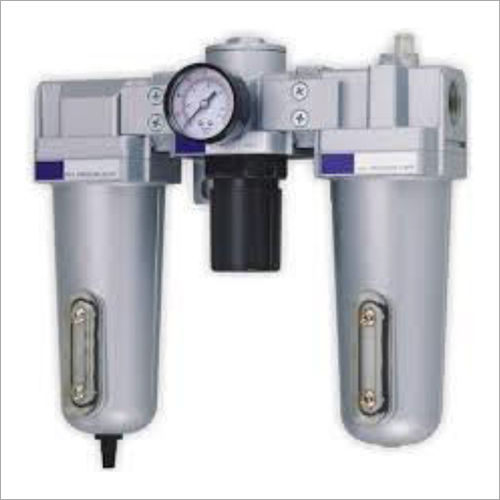
Oil Filter Regulator Lubricator
Price 100 INR / Piece
Minimum Order Quantity : 1 Unit
Material : Aluminum and Polycarbonate
Type : Oil Filter Regulator Lubricator Unit
Operating Pressure : 0.5 8 bar (7116 psi)
Features : Transparent Bowl, Adjustable Regulator, Quick Release Coupling, Rust Free, Durable
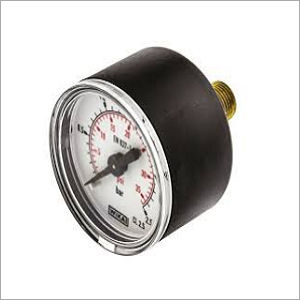
Pressure Gauge
Price 10.00 USD ($) / Piece
Minimum Order Quantity : 1 Piece
Material : Stainless Steel
Type : Analog Pressure Gauge
Operating Pressure : 0 to 7 kg/cm
Features : Glycerine Filled, AntiVibration, Clear Dial, Easy Installation
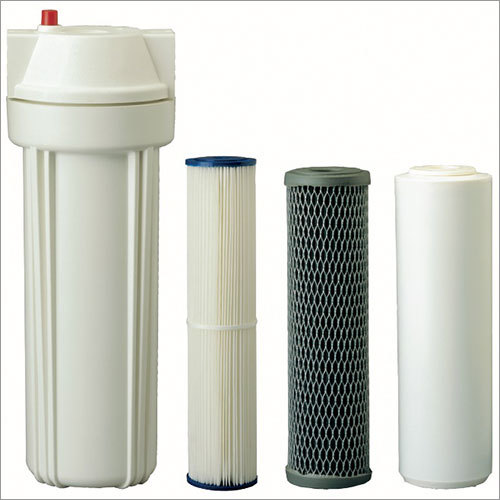
Process Filter
Price 100 INR / Piece
Minimum Order Quantity : 1 Unit
Material : Stainless Steel
Type : Process Filter
Operating Pressure : Up to 16 Bar
Features : Corrosion Resistant, High Dirt Holding Capacity, Easy Cartridge Replacement

Our Main Market Area is Bangladesh, Indonesia, Thailand and Middle East Countries.

 Send Inquiry


Our Products


Office No. 25, 10th Floor, Urbtech NPX Tower, Sector - 153, Noida - 201301, Uttar Pradesh, India

Mr Anurag Srivastava
(Director)
Mobile :08045801229
 Send Inquiry
 Send SMS
Developed and Managed by Infocom Network Private Limited.
